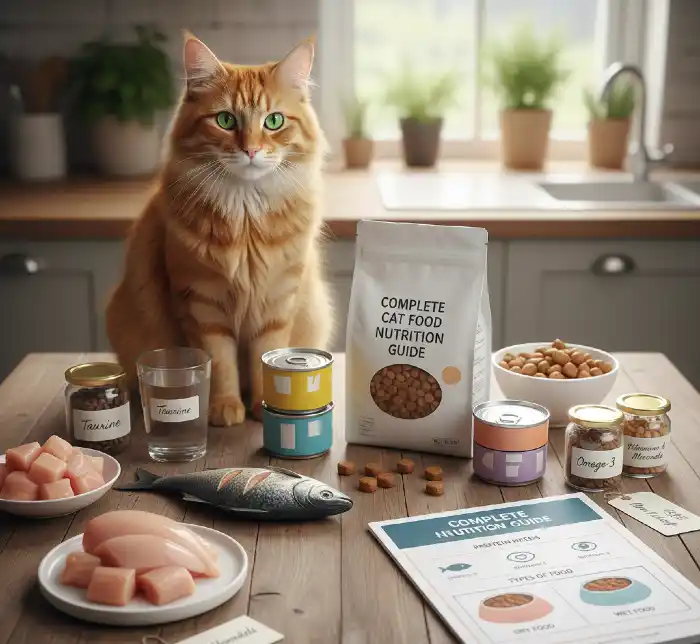
We have often observed that finding the right cat food feels like navigating a maze. With so many brands claiming to be the “best,” it’s easy to feel overwhelmed. According to our research into feline biology, the secret isn’t in the fancy packaging—it’s in the science of what cats actually need to thrive.
In our experience, a cat’s diet hasn’t changed much from their days in the wild. They remain obligate carnivores, which means meat isn’t just a preference—it is a biological necessity for their survival.

Decoding the Nutritional Label
When we look at high-quality cat food, we prioritize three main pillars based on evolutionary needs:
- High Protein: Essential for growth, tissue repair, and maintaining muscle mass.
- Moderate Fat: This is the primary energy source for cats and helps with the absorption of critical vitamins (A, D, E, and K).
- Low Carbohydrates: While cats can process small amounts of carbs, we have noticed they primarily thrive on energy from proteins and fats.
Vital Vitamins & Minerals:
According to our observation of AAFCO guidelines, a complete meal should contain B12, Taurine (critical for heart health), Calcium, and Zinc. If you choose a well-balanced food, we have seen that additional supplements are rarely necessary.
The Great Debate: Wet vs. Dry Food
Lately, we’ve noticed that the most successful feeding routines use a combination diet.
- Wet Food: We highly recommend this for hydration. Many cats suffer from chronic dehydration because they don’t have a high thirst drive. Wet food provides the moisture needed for healthy kidney function and digestion.
- Dry Food: This is practical for storage and budget. In our experience, the “crunch” can also help scrape away a small amount of plaque, contributing to better dental health.
Red Flags: What to Avoid
In our research, we have identified several “filler” ingredients that add zero nutritional value and may even cause harm over time.
Artificial Additives: Watch out for preservatives like BHA, BHT, or artificial colors (Red 40, Blue 2). These are often just for aesthetic appeal to humans, not cats.
Dairy & Sugar: Despite the old stereotype of cats drinking milk, most cats are actually lactose intolerant. We have observed that dairy and corn syrup (sugar) often lead to digestive upset and obesity.
Generic Labels: Avoid terms like “animal byproduct” or “meat meal.” In our observation, transparent brands will specifically name the protein, such as “Chicken” or “Turkey.”
Top Recommended Picks
Based on our observation of market reliability and ingredient quality, here are some options that fit different lifestyles:
| Category | Recommended Brand | Why We Noticed It Works |
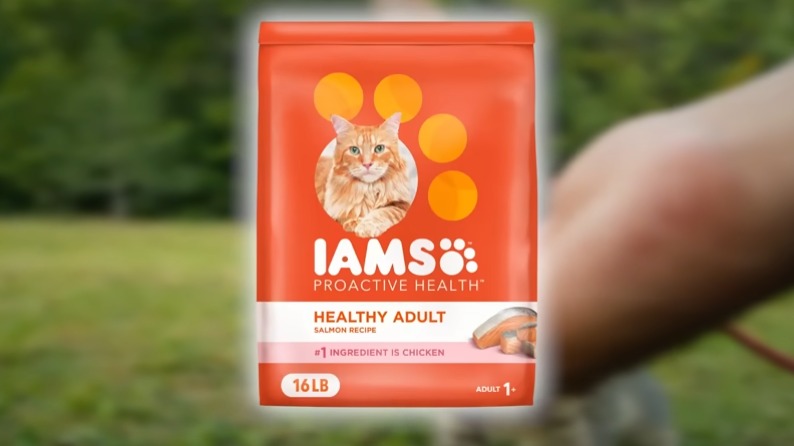
| Budget Friendly | Iams Proactive Health (Indoor) | Uses beet pulp for hairball control and L-Carnitine for metabolism. |
| Mid-Range | Hill’s Science Diet (Indoor) | High in lean protein and antioxidants to boost the immune system. |
| High-End | Royal Canin Instinctive | Designed for maximum “palatability” (picky eaters) and easy digestion. |
| Wet Food Pick | Made by Nacho (with Bone Broth) | We love the added hydration from bone broth and the lack of grain fillers. |
Practical Observations for Picky Eaters
If your cat is turning their nose up at their bowl, we’ve seen that texture is often the culprit.
Some cats prefer a “Pate,” while others like “Chunks in Gravy.”
Lately, we have seen that warming wet food slightly (to mimic the temperature of prey) can entice a cat with a low appetite to start eating again.
Your cat’s health starts at the bowl. By focusing on specified meat proteins and avoiding artificial fillers, you are setting them up for a longer, happier life.
Find out more tips about food by our expert insight at luxandlooms.